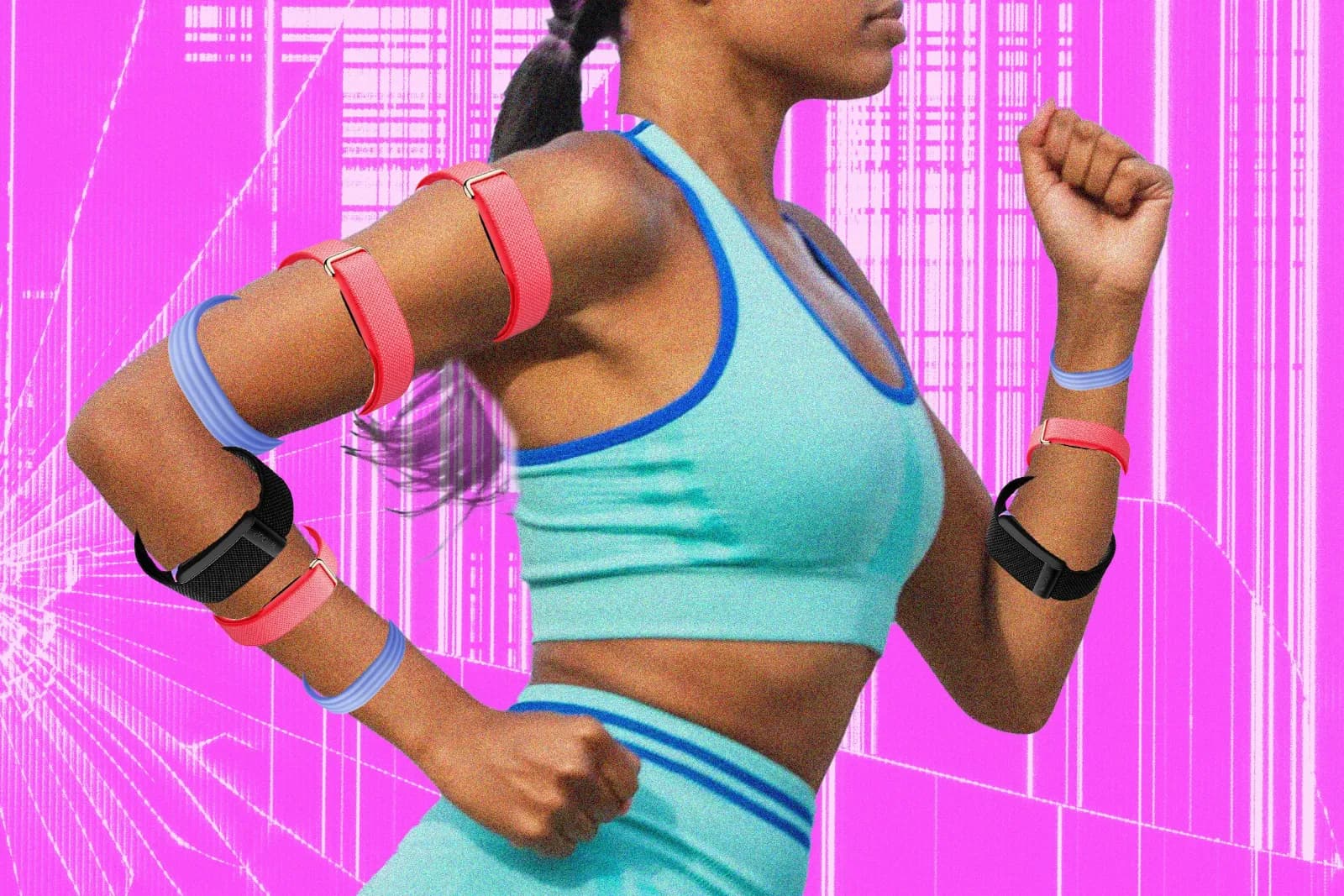
A new wave of wearables is turning the smartwatch model on its head. Instead of piling on notifications, these minimalist devices promise to gather health data quietly, without the constant buzzes and alerts that have come to define the category. The pitch is simple: collect the metrics, skip the noise.
The trend arrives as users report burnout from notification overload. Wired's coverage, published August 30, 2026, highlights how these devices aim to be ignored, focusing on passive data collection rather than active engagement. The goal is to provide health insights without demanding constant attention.
A Response to Notification Fatigue
The rise of minimalist wearables is a direct reaction to the overwhelming number of alerts from smartphones and smartwatches. Users are increasingly seeking ways to stay informed about their health without being tethered to a stream of notifications. These new devices strip away the distractions, offering a more focused approach to wellness tracking.
Health Data, Minus the Interruptions
Despite their minimalist design, these wearables still prioritize health data collection. They track metrics like heart rate, activity, and sleep, but do so in a way that requires minimal user interaction. The emphasis is on seamless, background monitoring that doesn't interrupt daily life.
A Growing Market for Quiet Tech
The emergence of these devices signals a potential shift in consumer preferences. As people become more conscious of their digital well-being, there may be a growing demand for technology that supports health goals without adding to cognitive load. This could push manufacturers to rethink how wearables are designed and marketed.
The open question is whether this minimalist approach will gain traction beyond early adopters. Will users trade the convenience of glanceable notifications for a quieter, more passive health tracking experience? The coming months will reveal if this niche becomes a mainstream trend.