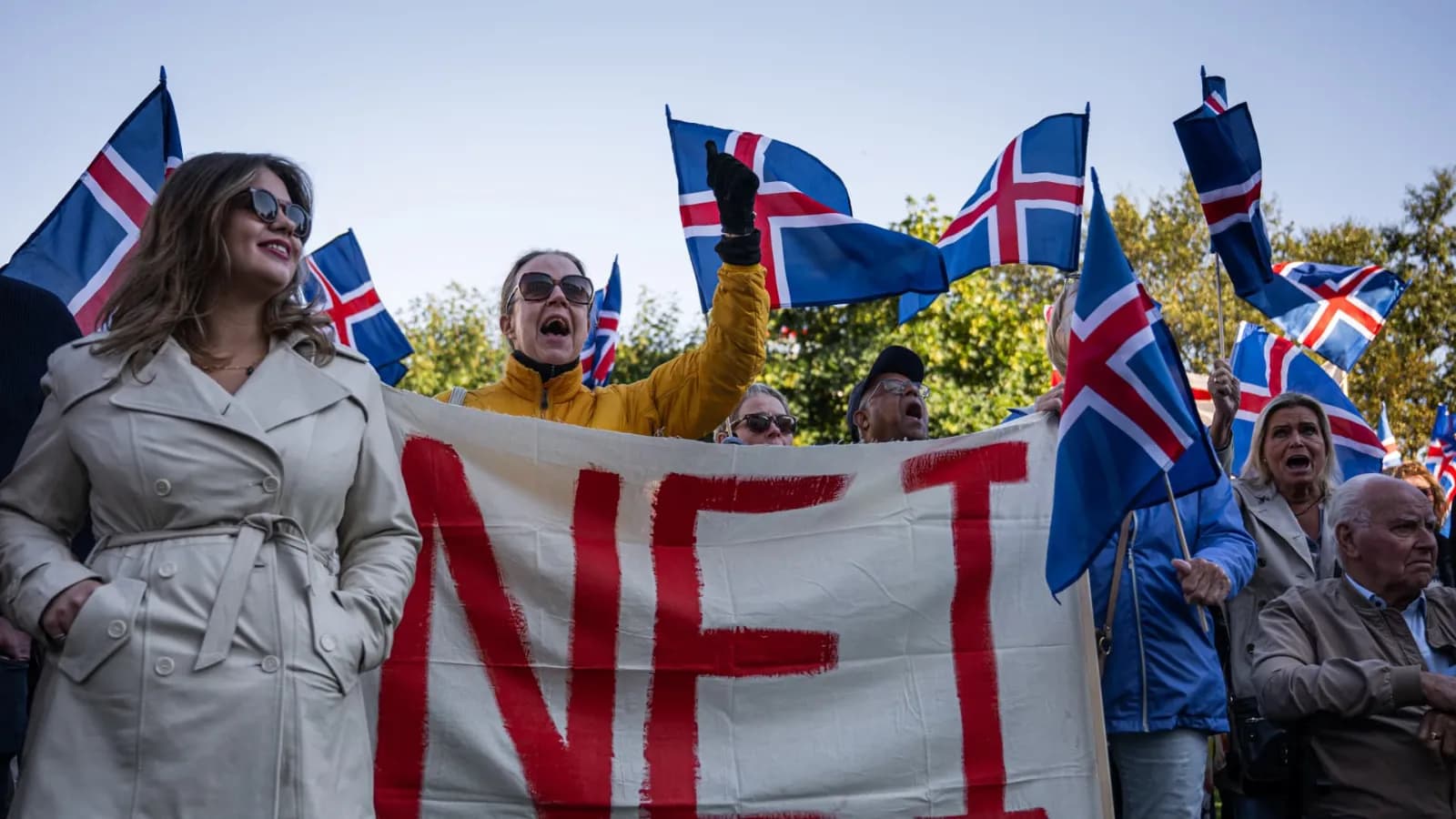
Icelanders have voted against reopening talks to join the European Union, with 52.8% voting no and 47.2% voting yes. The referendum, held on 2026-08-30, comes amid threats from US President Donald Trump over Greenland, which have raised questions about Iceland's strategic position.
The result is a clear, if narrow, rejection of a move that would have restarted a process that has been dormant since Iceland's application was frozen in 2013. The vote was on whether to reopen accession talks, not on immediate membership, but the outcome is a significant signal of public sentiment.
A vote shaped by Greenland tensions
The referendum took place against a backdrop of heightened tension over Greenland. Trump has repeatedly threatened to acquire Greenland, a territory of Denmark, and his rhetoric has put pressure on Nordic countries. The result suggests that Icelandic voters were not swayed by arguments that EU membership could strengthen their hand in dealing with such threats.
What the result means for Iceland's EU path
The rejection means that the Icelandic government is not mandated to pursue EU accession talks. The narrow margin indicates a divided electorate, but the outcome is a setback for pro-EU advocates. It also leaves Iceland outside the EU's common foreign and security policy, which some analysts argue could have provided a collective response to external pressure.
The question now is whether the government will respect the result and shelve the EU issue, or whether the narrow margin will keep the debate alive. Given the ongoing tensions over Greenland, the issue is unlikely to disappear entirely, but the referendum has set a clear direction for now.