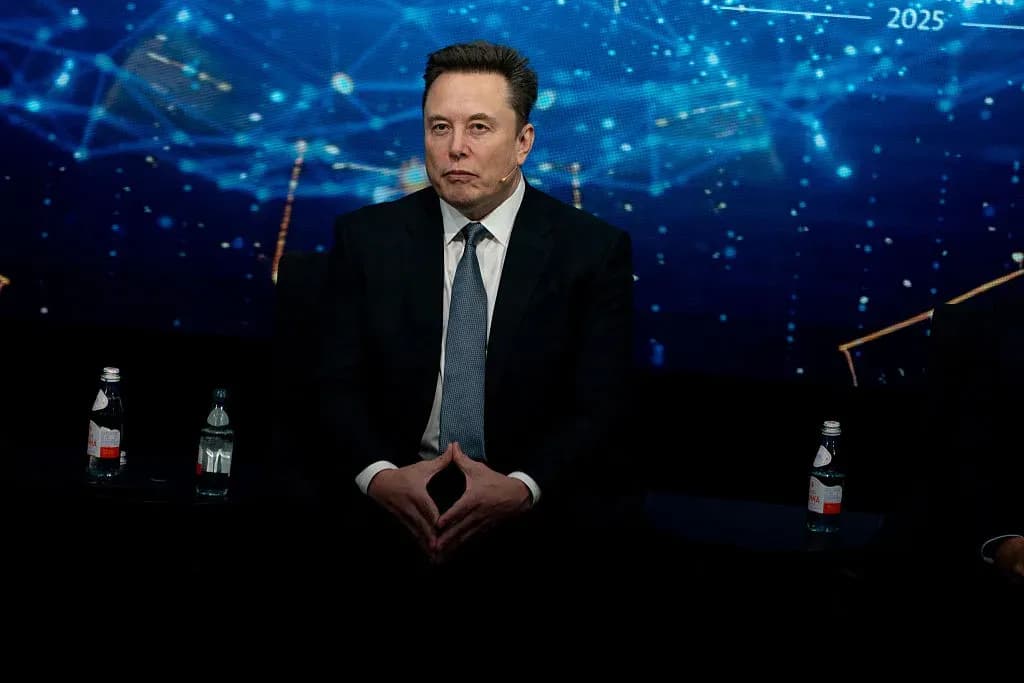
Elon Musk says a secretive new SpaceX foundry will let him cast his own turbine blades, cutting the time to get gas power online by 18 months compared to anyone else. The claim, reported by TechCrunch, positions the foundry as a manufacturing advantage in the race to deploy gas turbines.
But the move is a bet on a fuel source that is already drawing lawsuits and health studies wherever turbines have gone, including Musk’s own projects. The pollution problem could complicate the faster path Musk envisions.
A foundry for speed
Musk’s plan hinges on in-house casting of turbine blades, a component typically sourced from specialized suppliers. By controlling the casting process, SpaceX could shave 18 months off the timeline to bring gas power online, according to Musk’s statement.
The foundry is described as secretive, with few details disclosed about its location, capacity, or technology. The speed advantage would come from eliminating supply chain delays and customizing blades for rapid deployment.
Pollution already a problem
Gas turbines have faced legal challenges and health studies in communities where they operate. The TechCrunch report notes that lawsuits and health studies have emerged everywhere Musk’s and others’ turbines have gone, suggesting a pattern of community and regulatory friction.
This friction could offset the time saved by the foundry. Even if blades are cast faster, permitting and litigation could slow projects, undermining the 18-month advantage.
A bet on gas
Musk’s investment in gas turbine manufacturing is a strategic bet on a fuel source that remains controversial. While gas is often seen as a bridge fuel, its environmental and health impacts are under scrutiny.
The foundry’s success depends not only on technical execution but also on navigating the pollution problem. The question is whether faster manufacturing can overcome the growing opposition to gas power.
What remains unclear is how Musk will address the pollution concerns that have already triggered lawsuits and health studies. The timeline for the foundry’s output and its impact on gas power deployment is yet to be seen.