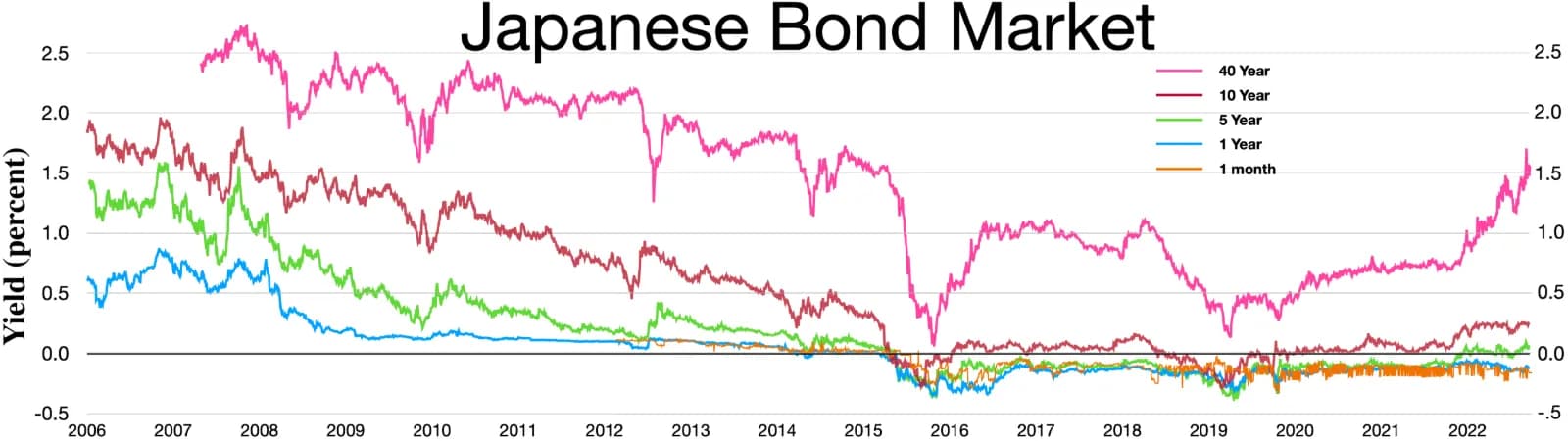
Recent turmoil in the bond market has pushed long-term interest rates to levels not seen in decades. While that has been painful for bondholders, it carries a silver lining for people approaching or already in retirement, according to a MarketWatch report published on August 31, 2026.
The report argues that the higher rates improve the case for a withdrawal rule of nearly 7% a year, which would allow retirees to spend more than the traditional 4% rule. The 4% rule has long been a benchmark for sustainable retirement withdrawals, but the new rate environment may make the higher figure more attractive.
Higher rates, higher sustainable withdrawals
The connection between interest rates and withdrawal rates is straightforward: when bonds yield more, a portfolio can support larger annual withdrawals without running out of money. With long-term rates at multidecade highs, the math behind the near-7% rule becomes more favorable.
MarketWatch's report frames the bond market's turmoil as a double-edged sword. The immediate pain for bond investors is offset by the long-term benefit for retirees who can lock in higher yields. This dynamic is particularly relevant for those who rely on fixed-income investments to fund their retirement.
A challenge to the 4% rule
The 4% rule, introduced decades ago, has been a cornerstone of retirement planning. It suggests that retirees can withdraw 4% of their portfolio in the first year, adjusted for inflation, with a high probability of the portfolio lasting 30 years. The near-7% rule, if validated, would represent a significant departure from that conservative approach.
The report does not provide specific data or backtesting to support the near-7% figure, but it points to the current interest rate environment as the key driver. For retirees, the implication is that they may be able to spend more without jeopardizing their financial security.
What happens next
The report leaves open the question of whether the near-7% rule will gain wider acceptance among financial advisors and retirees. As interest rates remain elevated, more analysis may emerge to test the rule's viability across different market conditions. The coming months will show whether retirees adjust their withdrawal strategies in response to the new rate landscape.