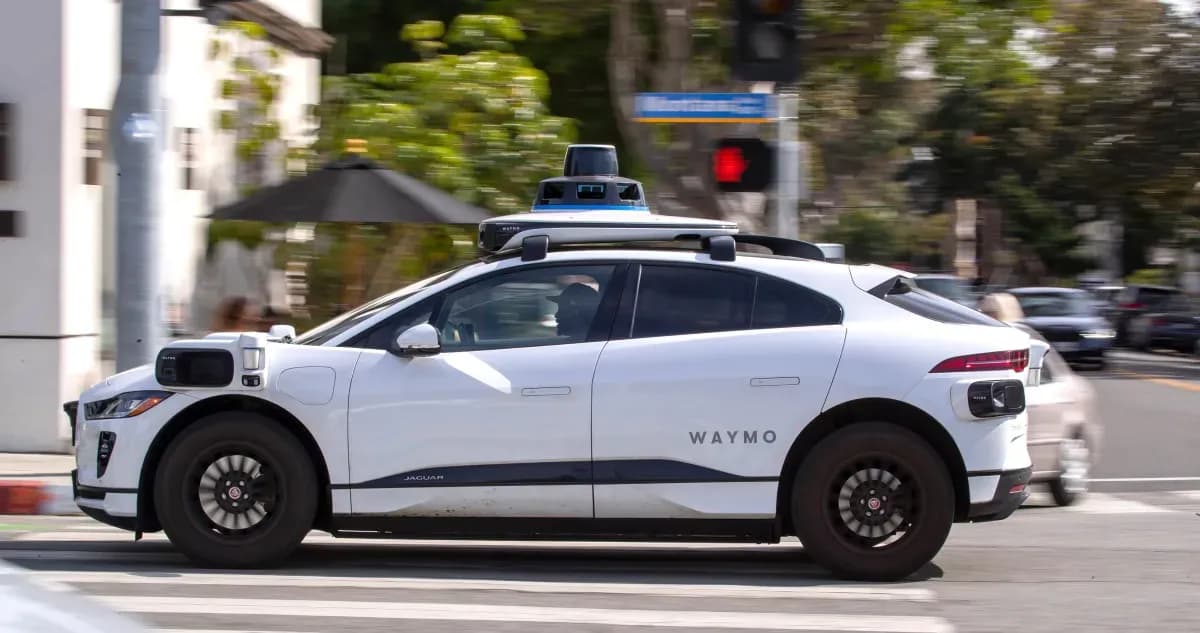
TechCrunch Mobility, a newsletter dedicated to the future of transportation, published its latest edition on August 30, 2026, with a focus on the hidden human cost of robotaxis. The edition underscores the growing role of artificial intelligence in shaping how people and goods move.
The newsletter, which serves as a hub for transportation news, highlights that AI is now more central than ever to the industry's evolution. The specific human costs referenced are not detailed in the source, but the headline signals a critical examination of the trade-offs involved in autonomous vehicle deployment.
AI's expanding footprint in mobility
The edition positions AI as a transformative force in transportation, noting that its influence is now more pronounced than in previous years. This shift raises questions about how automation affects workers, riders, and communities.
The unspoken trade-offs of autonomy
While the newsletter does not enumerate specific costs, the framing suggests that the benefits of robotaxis—such as efficiency and safety—come with hidden burdens. These may include job losses, privacy concerns, or the erosion of human oversight.
What lies ahead
The newsletter's publication signals an ongoing conversation about the balance between technological progress and its societal impact. The next steps for addressing these human costs remain unclear, as the industry continues to integrate AI into everyday transportation.