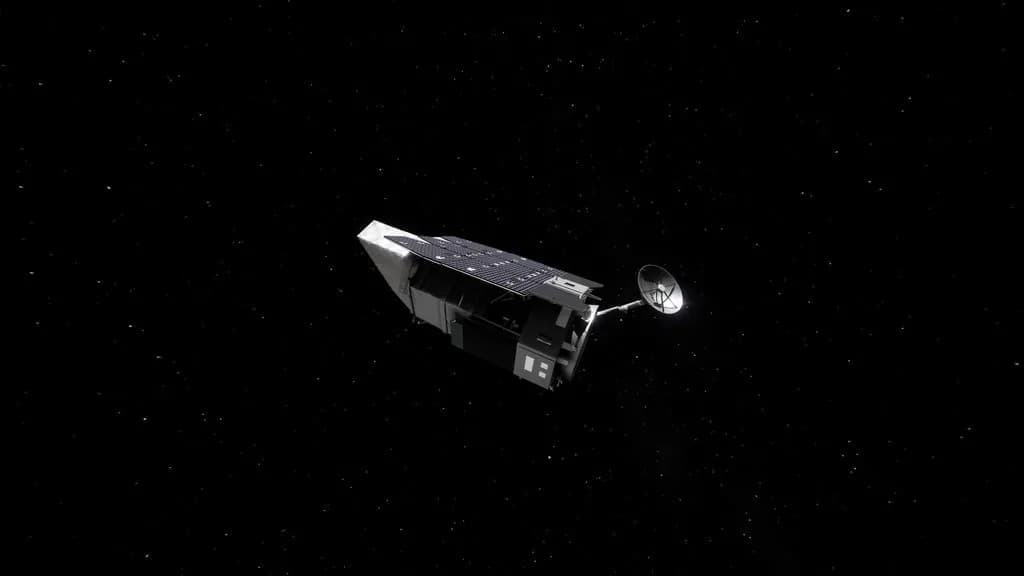
NASA's Roman Space Telescope is now on a three-month journey from Earth to Sun-Earth Lagrange Point 2, or L2, the agency reported on August 31. Along the way, the observatory is undergoing commissioning, a process in which its systems are turned on, adjusted, calibrated, and prepared for science operations.
Commissioning is the period when scientists and engineers confirm that Roman is performing as expected. The work includes checking each subsystem and fine-tuning the telescope before it begins its planned observations.
A three-month trek to L2
Roman is traveling from Earth to L2, a gravitationally stable point about 1.5 million kilometers from Earth. The journey is scheduled to take three months, during which the telescope will gradually power up its instruments and test their functionality.
What commissioning involves
According to NASA, commissioning includes turning on systems, adjusting them, and calibrating them. The goal is to ensure that Roman is ready for science operations once it reaches its destination. Engineers will monitor the spacecraft's health and performance throughout the transit.
The update did not specify which instruments or subsystems are being checked first, nor did it provide a timeline for when commissioning will conclude. The next milestone will be Roman's arrival at L2 and the completion of the commissioning phase, after which science operations can begin.